Review: 3D Layered Mandala 9 Layers for Embroidery
When I first opened the 3D Layered Mandala 9 Layers file on my screen, I didn't just see a geometric pattern; I saw a potential centerpiece for a high-end boutique collection. As a designer who spends more time at the hoop than away from it, my initial reaction to any new digital embroidery file is always a mix of excitement and skepticism. We have all downloaded files that look stunning in a vector preview but turn into a bird's nest of thread breaks and puckering once the needle hits the fabric. However, this particular design, categorized under Shapes, immediately stood out for its structural integrity and visual depth.
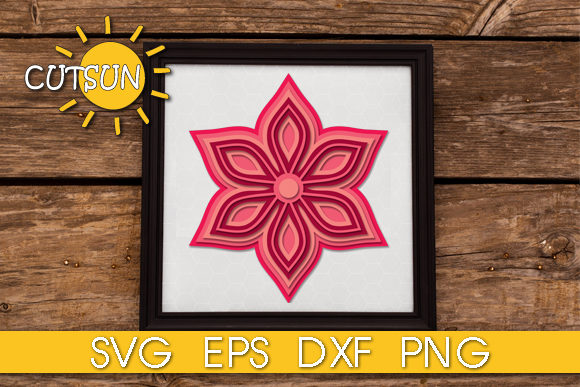
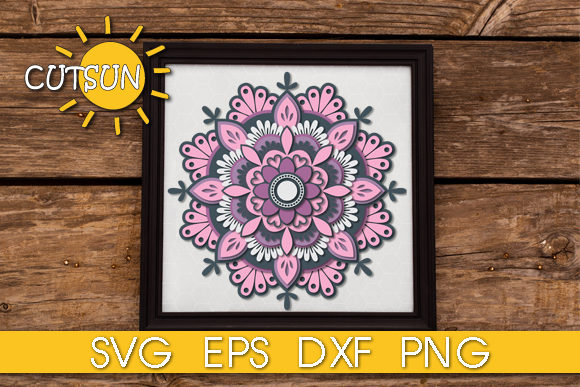
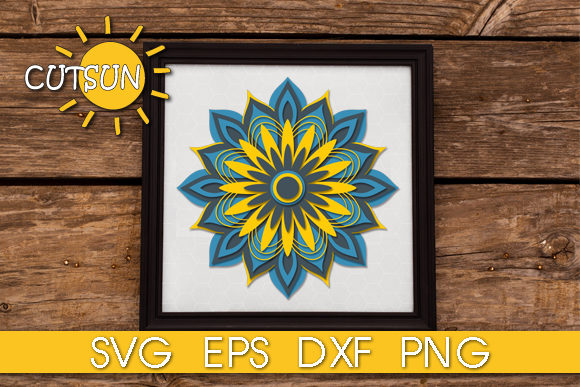
The concept of a nine-layer mandala is ambitious. In the world of machine embroidery design, layering can easily become messy if the spacing isn't precise. My first impression was that this design carries a mood of intricate calmness. It feels spiritual yet modern, making it a versatile candidate for everything from bohemian home decor to sophisticated custom apparel. The layout suggests a careful balance between open space and detailed fill, which is crucial for maintaining clarity when stitched out.
Real-World Application: The Tote Bag Test
To truly evaluate the 3D Layered Mandala 9 Layers, I imagined a specific real-life scenario that many of us face: a rush order for a local farmer's market. The client wanted a line of heavy canvas tote bag designs that felt artisanal and unique. This is where the "3D" aspect of the file becomes critical. Unlike a flat applique design or a simple outline, a multi-layered mandala relies on the interplay of shadows and thread height to create its effect.
If I were to stitch this onto a natural cotton canvas, the nine layers would allow me to use a gradient of thread colors, moving from a deep earth tone in the center to lighter shades on the outer rings. This technique transforms a standard handmade product into something that looks like it belongs in a high-end gallery. For an Etsy seller or small shop owner, this level of detail justifies a higher price point. Customers are willing to pay more for items that demonstrate clear craftsmanship, and the complexity of this mandala signals effort and skill.
However, the application isn't limited to bags. I could easily see this working as a focal point on a heavyweight fleece sweatshirt embroidery project. The texture of the fleece combined with the dense layers of the mandala would create a cozy, tactile experience for the wearer. It also holds promise as a personalized gift for weddings or holidays, perhaps monogrammed subtly within the central negative space, provided the scale allows for it.
Navigating Fabric and Hoop Challenges
While the aesthetic potential is high, practical execution requires caution. The 3D SVG nature of this file implies depth, but in embroidery, depth often means density. When working with 3D Layered Mandala 9 Layers, you must be hyper-aware of your stitch density. If you attempt this on a thin, stretchy fabric like a lightweight jersey t-shirt without proper stabilization, you risk significant puckering. The weight of nine layers of thread can distort the grain of delicate fabrics.
I strongly advise testing this design on scrap fabric that matches your final project material. If you are aiming for a baby embroidery item, such as a onesie or a soft blanket, you might need to reduce the number of layers or adjust the pull compensation settings in your software. The inner details of a mandala can be unforgiving on textured fabrics like towels or waffle weave; the running stitch or fine satin stitch elements might get lost in the loops of the fabric. In those cases, a smooth twill or a stable linen is a safer bet to ensure every curve remains crisp.
Hoop size is another critical factor. A nine-layer design inherently requires a larger footprint to prevent the layers from merging into a solid blob of thread. Before committing to a production run, confirm the dimensions against your available hoops. Trying to force this into a small 4x4 hoop for a cap front might compromise the separation between layers, ruining the 3D effect. For curved surfaces like caps, ensure the design is digitized with push-pull compensation in mind, or stick to flat applications like patches or pillow covers.
Elevating Brand Value and Visual Appeal
From a business perspective, the choice of design assets directly impacts brand perception. Using a generic, single-layer motif is safe, but it rarely excites. The 3D Layered Mandala 9 Layers offers a way to elevate your finished product. When a customer sees the precision of the concentric rings and the richness of the color transitions, it builds trust. It tells them that you care about quality.
This design also performs exceptionally well in marketing materials. Whether you are creating printable mockup images for your online store or photographing actual samples for social media, the visual weight of the mandala draws the eye. It creates a strong focal point that stops the scroll. For commercial embroidery projects, consistency is key. Because this is a geometric shape, it scales relatively well, allowing you to maintain brand consistency across different product lines, from aprons to wall art.
Essential Designer Notes for Success
Before you integrate this into your workflow, keep these practical tips in mind:
- Stabilizer Selection: Given the likely density of nine layers, use a cut-away stabilizer for garments that will be washed frequently. Tear-away might not provide enough long-term support, leading to sagging over time.
- Thread Contrast: Experiment with your thread colors. High contrast between layers emphasizes the 3D effect, while tonal variations create a subtle, elegant look. Test both approaches on scrap fabric.
- Density Check: Inspect the file for overly dense fill stitch areas. If the design feels too stiff after stitching, consider editing the density in your embroidery software.
- Licensing Verification: Always check the license terms before selling. Since this file is described as a cutting file or transfer printable, ensure it is cleared for commercial embroidery use if you plan to sell physical stitched goods.
- Mockup Testing: Create black and white mockups to check the readability of the layers. If the design loses definition in grayscale, it might be too busy for certain applications.
In conclusion, the 3D Layered Mandala 9 Layers is a powerful tool for the creative entrepreneur. It bridges the gap between digital precision and tactile artistry. While it demands respect regarding fabric choice and stabilization, the payoff is a small shop product that stands out in a crowded market. Whether you are crafting holiday embroidery gifts or building a permanent collection for your boutique, this design offers the complexity and beauty needed to impress discerning customers. Just remember to stitch a test sample first; in our trade, preparation is the difference between a masterpiece and a mess.