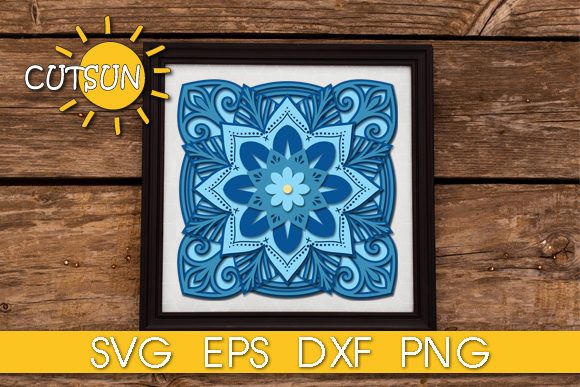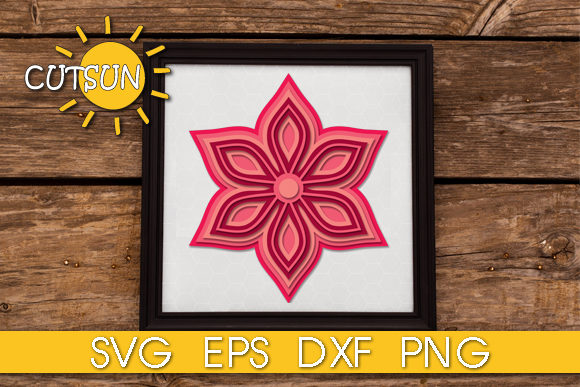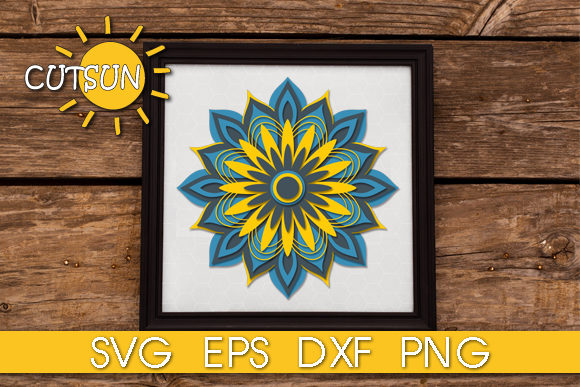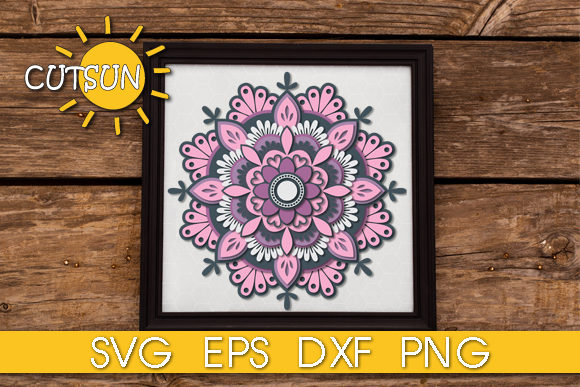
Layered Tiger Mandala: A Bold 3D SVG for Shapes
As a brand designer and content marketer, I am constantly hunting for graphic design assets that strike the perfect balance between artistic flair and commercial viability. When I first opened the files for the Layered Tiger Mandala, my immediate reaction was one of intrigue regarding its potential application in modern branding. This isn't just a static image; it is a complex digital product engineered for depth. The intricate interplay of lines creates a mood that is simultaneously wild and structured, evoking a sense of premium craftsmanship that is often missing from generic stock illustrations.
In the current landscape of content marketing, audience perception is everything. Consumers can instantly tell when a visual feels cheap or mass-produced. The Layered Tiger Mandala brings an emotional tone of sophistication and mystery. It feels suitable for lifestyle content, handmade product promotions, and even high-end event invitations. For a small business owner looking to elevate their brand identity, this asset offers a way to signal quality without saying a word. It suggests that the brand behind the visual cares about detail, making it an excellent choice for those aiming for professional branding rather than casual, throwaway graphics.
Integrating Complex Geometry into Real Campaign Workflows
To test the practical value of this asset, I imagined a real-world scenario: a boutique wellness brand launching a new line of organic teas with a "wild spirit" theme. In this context, the Layered Tiger Mandala becomes more than just decoration; it becomes a central pillar of the visual narrative. Because the file is a 3D SVG, it allows for incredible flexibility. We could use the layered structure to create physical packaging inserts via laser cutting, adding a tactile element that customers love. Alternatively, for digital campaigns, we could flatten specific layers to create unique PNG design elements for social media.
The versatility of this SVG design shines across various marketing channels. For logo design, a simplified version of the tiger motif could serve as a memorable icon, provided the brand guidelines allow for such detailed imagery. In packaging design and product label creation, the mandala acts as a seal of authenticity. Imagine a tea tin where the tiger mandala is foil-stamped; the result is instant shelf appeal. For social media graphics, particularly on Instagram and Pinterest, the asset provides a strong focal point for posts announcing the launch. It works beautifully as a background texture for editorial design in blog headers or as a watermark for digital ads that need to stand out in a crowded feed.
Driving Engagement Through Visual Hierarchy and Trust
The primary marketing goal of using an asset like the Layered Tiger Mandala is to create a stronger first impression. In a scroll-heavy environment, visual hierarchy is critical. The radial symmetry of the mandala naturally draws the eye inward, making it an effective tool for framing key messages or product shots. This leads to better product presentation and, ultimately, improved audience trust. When a brand uses cohesive, high-quality design assets, it signals stability and professionalism.
Furthermore, the unique nature of this tiger-themed illustration fosters emotional connection. It moves away from the overused floral motifs common in the wellness space, offering something bolder and more memorable. This distinctiveness aids in brand recognition. Whether used in Canva template kits for clients or as part of a design bundle for a seasonal offer, the asset ensures that the campaign visuals remain consistent yet dynamic. It supports the creation of marketing visuals that feel curated rather than assembled, which is essential for building a loyal community around a brand.
Strategic Placement for Maximum Impact
Knowing where to deploy the Layered Tiger Mandala is just as important as knowing how to use it. This asset works best in hero graphics where it has room to breathe. It is ideal for campaign headers on websites, product launch visuals, and branded templates for email banners. As a decorative brand element on packaging accents or merchandise like tote bags and stickers, it adds a layer of perceived value. For web design, using it as a subtle background pattern in the footer or sidebar can reinforce brand themes without overwhelming the user.
However, caution is required. This is a highly detailed illustration, and it should be used carefully in formal corporate branding where minimalism is key. It may not perform well in dense information layouts or text-heavy ads where the intricate lines could compete with the main message. On small mobile graphics, the fine details of the Shapes might blur, reducing readability. Additionally, placing it on low-contrast backgrounds can cause the design to get lost. For overly minimal brands, this asset might feel too ornate unless significantly simplified.
Designer Notes for Professional Execution
Before integrating the Layered Tiger Mandala into any paid campaign or client work, there are several practical steps to take. First, test it with your specific brand color palette. While the default black vector is striking, coloring specific layers can align it better with your small business branding. Always check how it looks in black and white to ensure it holds up in monochrome print scenarios. Place the asset inside real campaign mockups to gauge its scale and impact.
Preview the design on mobile screens to ensure the details remain crisp. Test readability if you plan to overlay text; you may need to add a solid shape behind the text to maintain contrast. Compare the final look against competitor visuals to ensure you aren't inadvertently mimicking another brand's style. Experiment with typography pairings; this mandala pairs surprisingly well with bold sans serif fonts for a modern look, but also complements elegant script fonts for a more artisanal feel. Finally, and most critically, review the licensing terms. Ensure you have a commercial license that covers your intended use, whether it's for printable design products, digital ads, or physical merchandise. By treating this creative design with the strategic care it deserves, you can transform a simple file into a powerful engine for brand growth.