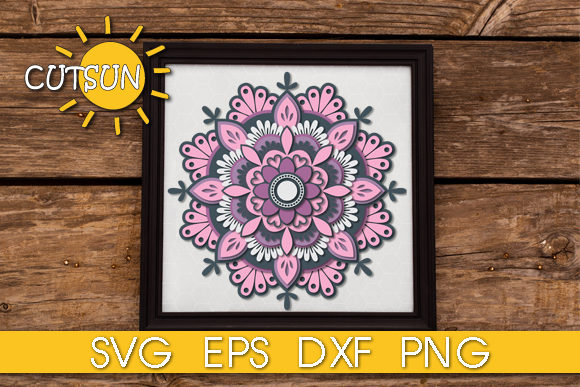
3D SVG Shapes: A Designer's Review of Layered Mandalas
As a brand designer who spends most of my week refining visual identities for local boutiques and artisanal food producers, I am constantly on the hunt for graphic design assets that offer depth without clutter. Recently, I evaluated the 3D Layered Mandala 15 Layers for a potential rebranding project involving a high-end, handmade soap company. My goal was to determine if this specific collection of Shapes could elevate their packaging design from simple to luxurious. The first impression is striking; the intricate layering suggests a mood that is both organic and meticulously crafted. It feels less like a generic clipart addition and more like a bespoke illustration, which is exactly what modern consumers look for in the handmade business sector.
The aesthetic personality of this asset leans heavily towards the elegant, feminine, and decorative. It carries a spiritual yet grounded vibe, making it an excellent fit for wellness brands, yoga studios, florists, or boutique candle makers. Unlike flat vector art, the 3D SVG nature of these files allows for shadow play and dimensionality that mimics physical embossing or laser cutting. For a local business owner, this translates to a perceived increase in value. When a customer picks up a product box adorned with such detailed geometry, the immediate takeaway is one of quality and care. This emotional connection is vital for small business branding, where trust is built through visual consistency and professional presentation.
Elevating Product Packaging and Label Hierarchy
In the context of real-world application, the versatility of the 3D Layered Mandala 15 Layers shines brightest in product label and packaging scenarios. For the soap brand I mentioned earlier, I envisioned using the outer layers as a subtle border element on the primary label, framing the logo design and ingredient list without overpowering them. Because the file is broken down into fifteen distinct layers, a designer has granular control over the visual hierarchy. You can choose to use just the core for a minimalist icon or stack all layers to create a bold hero graphic for the front of a box.
This adaptability supports stronger product recognition on crowded shelves. Whether applied to a hang tag, a thank-you card included in the shipment, or a sticker seal on a tissue-wrapped item, the asset adds a layer of sophistication. It transforms standard marketing visuals into something that feels curated. Furthermore, because these are vector-based Shapes, they scale infinitely without losing resolution. This is crucial for commercial design where the same graphic might need to appear on a tiny price list and a large trade show banner simultaneously. The ability to manipulate these layers means you can create custom patterns for wrapping paper or interior box prints, ensuring a cohesive unboxing experience that reinforces professional branding.
Strategic Applications for Local Business Growth
Beyond physical goods, this digital product serves as a powerful tool for digital presence. Social media managers can utilize the layered structure to create engaging animations for Instagram Stories or TikTok, revealing the design layer by layer to capture attention. For web design, the SVG design format ensures fast loading times while maintaining crisp edges on retina displays. I also see immense potential for seasonal campaign visuals. Imagine a holiday promotion where the mandala is colored in festive tones and used as a background element for email headers or promotional ads. It provides a decorative brand element that feels timely yet timeless.
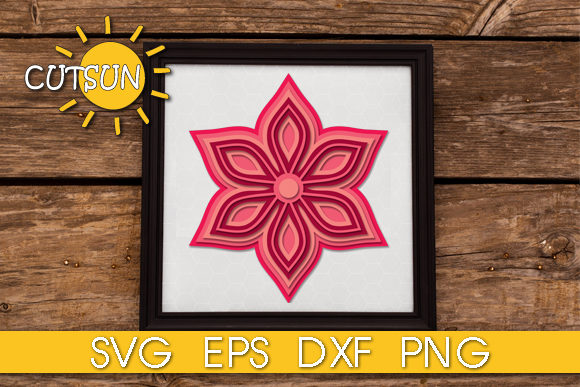
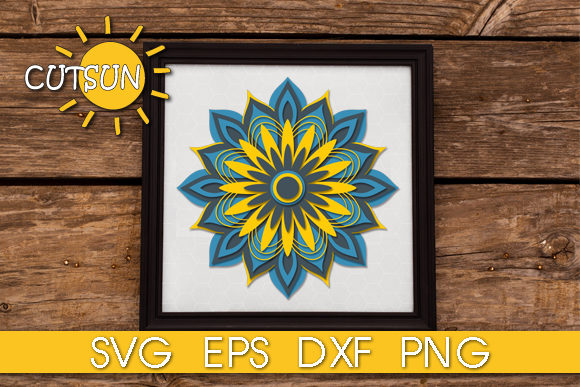
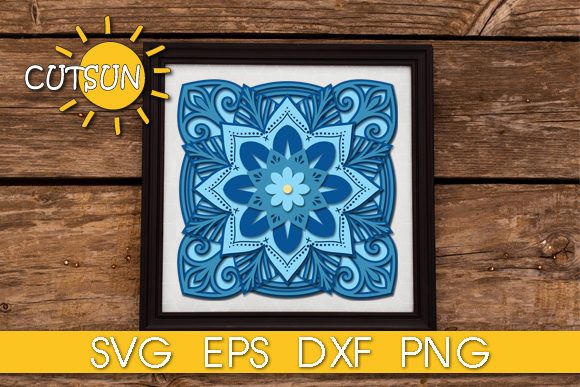
The asset is particularly effective when used to support the narrative of a local business. For a coffee shop, it could be laser-cut into wooden coasters. For a bakery, it could be printed on transfer paper for custom aprons or mug designs, aligning perfectly with the concept of a Layered 3D Mandala 15 layers SVG – cutting file designed to be used with craft-cutting machines OR to be printed onto transfer paper for making personalized shirts, mugs, bags and so on. This dual functionality bridges the gap between digital branding and tangible merchandise, allowing business owners to expand their revenue streams with branded apparel and accessories.
Critical Considerations for Professional Implementation
However, not every design challenge is solved by adding complexity. There are scenarios where the 3D Layered Mandala 15 Layers should be used with extreme caution or avoided entirely. In formal corporate branding or industries requiring strict minimalism, such as high-tech or legal services, this level of ornamentation might feel out of place. Similarly, on very small labels where space is at a premium, the fine details of the inner layers could blur during printing, leading to a muddy appearance. It is essential to avoid placing this graphic near ingredient-heavy layouts or legal information areas where clarity is paramount; the decoration must never compete with critical text.
From a technical standpoint, successful integration requires testing. Before finalizing any product mockup, I always recommend previewing the asset in black and white to ensure the contrast holds up without color reliance. Designers should test the graphic against various typography styles—pairing it with a clean sans serif font for modernity, a flowing script font for elegance, or a bold display font for impact. It is also wise to compare the resulting packaging against competitor offerings to ensure distinctiveness. While the PNG design versions are useful for quick drafts, the true power lies in the editable vector files, allowing for color adjustments to match specific brand palettes.
Final Verdict on Commercial Viability
Ultimately, the 3D Layered Mandala 15 Layers is a robust resource for creative entrepreneurs looking to add depth to their brand identity. Its strength lies in its ability to function as both a standalone focal point and a supportive textural element. Whether utilized for editorial design in a lookbook, as a printable design for event invitations, or integrated into a Canva template for client use, it offers significant value. However, users must confirm the commercial license terms before deploying it for client work or physical product sales to ensure compliance. When used thoughtfully, respecting the balance between decoration and function, this asset can significantly enhance shelf appeal and foster a stronger emotional connection with customers, proving that the right design assets are an investment in the brand's future.