Review: 3D Layered Mandala 6 Layers for Pro Embroidery
When I first pulled up the 3D Layered Mandala 6 Layers file on my screen, I wasn't just looking at a pretty pattern; I was immediately assessing its potential as a revenue generator for my small shop. As a designer who spends hours digitizing and stitching, I know that a beautiful image on a monitor doesn't always translate to a flawless finished product on fabric. This design, categorized under Shapes and delivered as a 3D SVG, promises depth and complexity, but does it hold up under the needle? My goal here is to walk you through how this specific asset performs in real-world scenarios, from boutique apparel to high-traffic craft fair merchandise.
First Impressions: Visual Depth and Design Personality
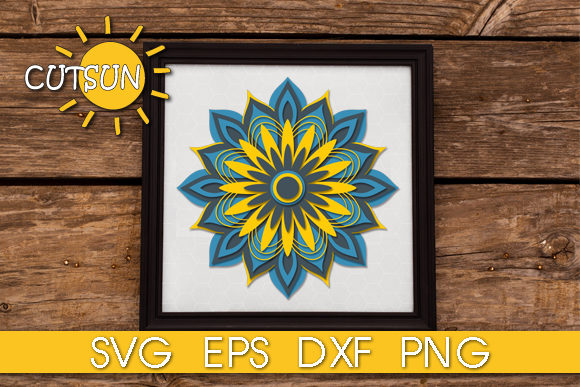
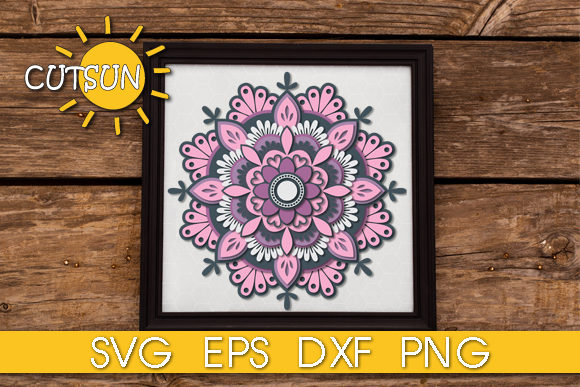
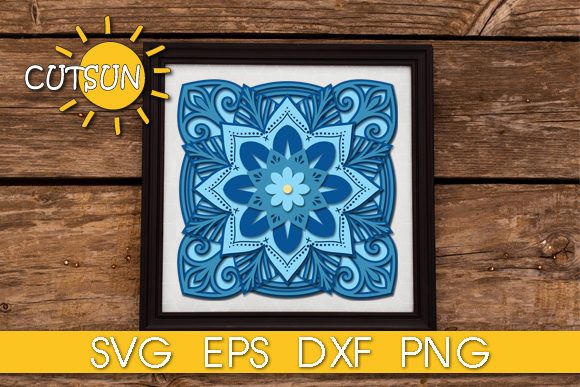
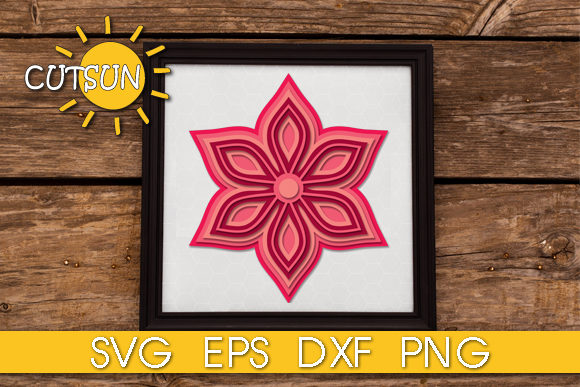
The immediate standout feature of the 3D Layered Mandala 6 Layers is its structural integrity. Unlike flat vector art that relies solely on color changes, this design utilizes six distinct layers to create a tangible sense of dimension. In the world of machine embroidery design, achieving a 3D effect often requires complex digitizing or foam applications, but this file seems engineered to mimic that depth through layering alone. The mood it creates is one of modern bohemian elegance—perfect for customers seeking something more sophisticated than a standard logo.
Visually, the layout feels balanced yet intricate. For an Etsy seller or creative entrepreneur, this visual personality is crucial. It signals quality before the customer even touches the item. When I imagine this stitched out, I see it working beautifully as a central focal point on a tote bag or as a statement piece on the back of a denim jacket. The geometric precision suggests a professional touch, which directly impacts brand consistency and customer trust. If you are selling handmade products, the perceived value of your items often hinges on these subtle design cues.
Real-World Application: From Mockup to Stitched Reality
Let's move from theory to practice. Imagine you are preparing a custom order for a local boutique that specializes in eco-friendly custom apparel. They want a line of organic cotton tote bags featuring a unique, eye-catching motif. This is where the 3D Layered Mandala 6 Layers shines. Because the design is built in layers, it allows for creative freedom in thread selection. You aren't stuck with a single color palette; you can gradient the threads from the center outwards or use contrasting tones to emphasize the "3D" aspect mentioned in the title.
I recently considered a similar project involving a heavy-weight canvas tote bag design. The challenge with mandalas is often the density; too many stitches in a small area can cause puckering. However, the layered nature of this file suggests a distribution of stitch types that might mitigate this. If used correctly, the result is a personalized gift or retail item that feels substantial and luxurious. It also works exceptionally well for sweatshirt embroidery, where the thicker fabric can support the weight of multiple layers without distorting the shape.
Beyond apparel, think about home decor. A pillow cover or a set of kitchen tea towels adorned with this mandala could be a bestseller during the holiday season. The symmetry of the design makes it ideal for holiday embroidery projects where balance and tradition are key themes. For those creating printable mockups for digital listings, the clean lines of the 3D SVG format ensure that your previews look crisp and professional, driving higher engagement from potential buyers browsing your online store.
Navigating Technical Challenges and Fabric Choices
While the aesthetic appeal is high, a responsible designer must address the technical hurdles. The 3D Layered Mandala 6 Layers is not a "stitch and forget" file. Its complexity demands respect for your materials. First and foremost, consider your hoop size. With six layers, the design likely has a significant diameter. You must confirm that your machine's hoop can accommodate the full extent of the pattern without needing to re-hoop, which can lead to alignment issues and ruined embroidery projects.
Fabric texture plays a massive role here. On smooth, tightly woven cotton or linen, the details will pop. However, if you attempt this on a highly textured fabric like a chunky knit or a looped towel, the finer inner layers of the mandala might get lost or snag. Similarly, stretchy fabrics require caution. Without the proper stabilizer, the tension from six layers of stitching could cause the fabric to gather or warp, ruining the circular symmetry that defines a mandala. I strongly advise using a cut-away stabilizer for garments that will undergo frequent washing, ensuring the stitch density remains supported over time.
Dark fabrics present another consideration. If the design relies on light thread colors to define the layers, you may need to adjust your underlay settings or add a backing layer to prevent the dark fabric from showing through the gaps. Always test your thread colors against the fabric background. A high-contrast test run on scrap material is non-negotiable. This helps you verify if the transition between the six layers is distinct enough to be appreciated by the eye, or if they blend into a muddy mess.
Maximizing Value for Your Craft Business
For the craft business owner, every design asset is an investment. The 3D Layered Mandala 6 Layers offers versatility that can expand your product line. It serves as an excellent design asset for creating coordinated collections—imagine matching aprons, oven mitts, and wall hangings all featuring variations of this same core motif. This kind of cohesion builds recognition for your brand.
However, before listing items made with this design, you must verify the licensing terms. The product description notes it is a cutting file for craft machines or transfer paper, but when adapting it for commercial embroidery, clarity is key. Ensure you have the rights to sell physical goods created with this file. If the license permits, this design can elevate your small shop product offerings, allowing you to charge a premium for the perceived complexity and handmade quality.
Additionally, consider the maintenance of the finished product. Dense designs with many layers can sometimes trap lint or be difficult to iron around. Educate your customers on proper care, or choose applications like patches where the item isn't washed as frequently as a daily t-shirt. An embroidered patch made from this design could be a fantastic add-on sale, allowing customers to apply the art to their own gear later.
Final Verdict and Designer Notes
In conclusion, the 3D Layered Mandala 6 Layers is a compelling option for designers looking to add depth to their portfolio. It bridges the gap between digital precision and tactile artistry. To get the best results, treat it with the scrutiny it deserves. Test the design on various fabric weights, experiment with different stabilizer combinations, and never skip the trial run. Check the file details carefully regarding stitch count and compatible formats, as these are not explicitly detailed in the brief description provided.
Whether you are creating a baby embroidery piece for a nursery, a bold statement for a cap, or a delicate accent for a wedding gift, this design has the potential to deliver stunning results. Just remember that the magic lies in the execution. By paying attention to thread contrast, fabric texture, and proper stabilization, you can transform this digital file into a physical object that delights customers and strengthens your reputation as a skilled artisan. Embrace the layers, respect the process, and let your creativity turn this 3D SVG into your next bestseller.