Reviewing 3D Pop Up Card Quarantine for Real Projects
As a designer who spends more time at the hoop than away from it, I approach every new machine embroidery design with a mix of curiosity and caution. We all know the feeling: you see a cute graphic online, buy the embroidery file, and then realize halfway through stitching that it just doesn't translate well to fabric. That is why I took a close look at the 3D Pop Up Card Quarantine design before committing it to any client work or personal projects. This isn't just about whether the image is pretty; it is about whether it holds up as a functional asset for a craft business or a meaningful handmade product.
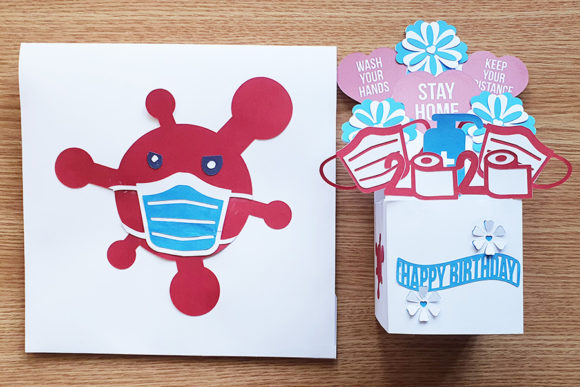
My first impression of this design is that it carries a very specific, nostalgic mood. The theme immediately recalls a unique moment in time, making it perfect for commemorative items or thank-you gifts. Visually, the layout feels open and breathable, which is a relief. Too often, designs in the Shapes category are overly dense, leading to puckering and thread breaks. However, this piece seems to rely on clean lines and distinct sections rather than heavy saturation. For an embroidery project intended to be a personalized gift, this visual clarity is essential. It allows the message to come through without the stitch work becoming a muddy blob.
Real-World Application: From Screen to Sweatshirt
To truly test the viability of this design, I imagined a real-life scenario that many of us face regularly. Picture a local boutique owner who wants to create a limited run of appreciation gear for community heroes. They need something that looks professional on a heavy cotton sweatshirt embroidery job but also works on a lighter tote bag design. This is where the 3D Pop Up Card Quarantine concept shines. Because the original product description highlights its use for front-line workers, translating this into a stitched format adds a layer of texture and permanence that paper cards cannot offer.
If I were producing this for a client, I would likely position it as a central chest logo on a hoodie or a large back print on a canvas tote. The simplicity of the shape means it scales well. Unlike complex applique design files that require precise cutting and layering of multiple fabrics, this appears to be a straightforward stitch-out. This reduces production time, which is critical for Etsy sellers and small shop product creators who need to maintain healthy profit margins. The finished product would feel substantial and thoughtful, elevating a simple garment into a keepsake.
Navigating Fabric Textures and Hoop Limitations
While the design has strong potential, practical execution requires attention to detail. One area where I always exercise caution is with fabric texture. If you are stitching this onto a textured towel or a waffle-knit blanket, the finer details might get lost. The "pop-up" aesthetic relies on contrast and definition. On a rough surface, a running stitch outline might sink in too deeply. In such cases, I recommend using a heavier cut-away stabilizer to provide a firm foundation, ensuring the stitches sit on top of the fabric rather than disappearing into the weave.
Another consideration is the hoop size. Although the design is described as easy to build in its paper form, the digital embroidery version needs to fit within your machine's capabilities. Before purchasing, you must verify the available sizes. If the design is only available in a large format, it won't work for a baby embroidery project on a onesie or a small embroidered patch. Conversely, if you scale it down too much for a cap, the stitch density might become too tight, causing the threads to bunch up. Always check the minimum recommended size provided by the creator.
Dark fabrics present their own challenge. A design meant to look like a card might rely on white space or light colors to define its shape. If you stitch this directly onto a navy or black garment without an underlay or a backing patch, the visual impact could be diminished. For custom apparel on dark goods, consider using a white twill backing or increasing the density of the fill areas to ensure the design pops against the background.
Enhancing Brand Value and Customer Trust
For commercial embroidery professionals, the choice of design directly impacts brand perception. Using a well-executed file like 3D Pop Up Card Quarantine can signal to your customers that you care about relevance and quality. It shows that you are attuned to cultural moments and can translate them into tangible goods. When a customer receives a holiday embroidery item or a special occasion gift that features a recognizable and well-stitched motif, it builds trust. They see the precision in the satin stitch borders and the evenness of the fill stitch areas, and they associate that quality with your brand.
This design also offers great versatility for digital product sellers who create printable mockups. Even if you are selling the physical stitched item, having high-quality photos of the design on various products—like aprons, pillow covers, or kitchen towels—can boost engagement on social media. The clean lines of the 3D SVG origin likely translate into crisp edges in the embroidery, making it photogenic for Instagram or Etsy listings. A clear, recognizable image stops the scroll and encourages clicks.
Final Designer Notes and Best Practices
Before you commit to a full production run, here are my practical recommendations for working with this specific design:
- Test on Scraps First: Never stitch a new design directly on a client's garment. Use a scrap piece of the same fabric to check how the threads interact with the material.
- Check Thread Contrast: Ensure your chosen thread colors provide enough contrast against the fabric. If the design relies on subtle shading, it may not reproduce well in thread.
- Verify Licensing: Since this design is themed around front-line workers and specific events, confirm the license terms. Ensure you are allowed to sell finished items commercially if that is your goal.
- Inspect Small Details: Look closely at any tiny text or intricate corners in the preview. These are the first areas to fail if the digitizing isn't sharp.
- Stabilizer Selection: Match your stabilizer to the fabric weight. Stretchy fabrics need robust support to prevent distortion during the stitching process.
In conclusion, the 3D Pop Up Card Quarantine design offers a compelling blend of sentiment and style. It moves beyond a simple graphic to become a conversation piece when embroidered. Whether you are creating a wedding gift, a boutique item, or a memorial piece, this design has the structural integrity to perform well, provided you respect the limitations of your materials and machine. By approaching it with a strategist's eye and a crafter's hand, you can turn this digital asset into a standout finished product that resonates with your audience.