Review: Christmas Tree Gift Box or Lantern Design
As a designer who spends more time staring at stitch maps than most people spend on their phones, I approach every new machine embroidery design with a mix of excitement and skepticism. We've all been there: you buy a file based on a pretty thumbnail, only to find out the stitch density is so high it turns your fabric into cardboard, or the details are too tiny to survive a single wash. So, when I came across the Christmas Tree Gift Box or Lantern, I didn't just look at the preview; I looked at the potential for real-world application. This isn't just about whether it looks cute on a screen; it's about whether it holds up on a sweatshirt, a tote bag, or a boutique product that a customer is going to pay good money for.
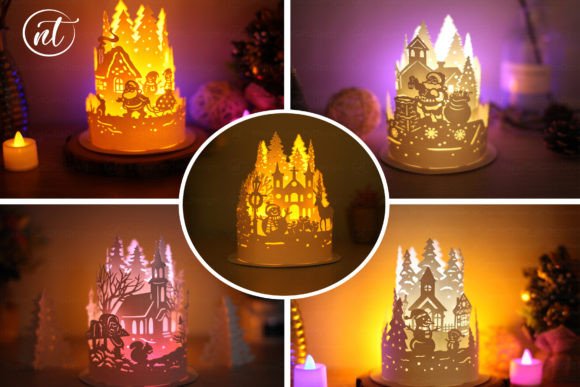
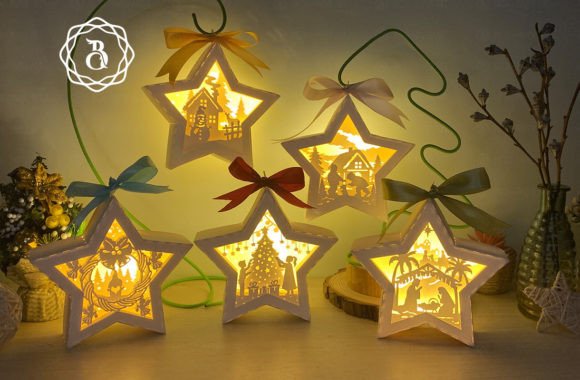
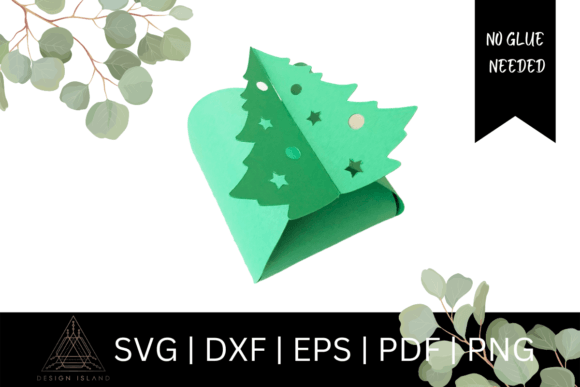
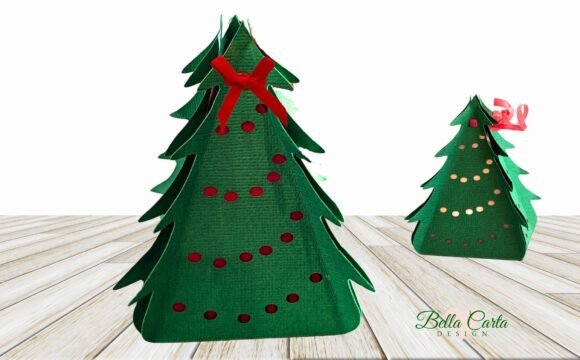
The first thing that strikes me about this design is its versatility in mood. It sits right at the intersection of cozy nostalgia and modern holiday chic. The concept of a gift box that doubles as a lantern suggests warmth, which is exactly what we want to convey in our holiday embroidery projects. However, because the source material describes this as a 3D SVG template from Bella Carta Design intended for cutting machines like Cricut or Silhouette, we need to have a serious conversation about adaptation. If you are an embroiderer looking to use this aesthetic, you aren't just downloading an embroidery file; you are likely looking at a hybrid project or needing to trace this vector art to create your own digitized version. That extra step gives you control, but it also demands a keen eye for how those 3D folds translate into thread.
Visual Personality and Project Fit
Let's talk about where this design actually shines. The geometry of a box or lantern implies structure. In embroidery, structure often comes from clean lines and well-defined corners. If you are digitizing this or adapting it for an applique design, the sharp edges of the box need to be handled with care. A satin stitch border would work beautifully here to define the edges of the "box," giving it that crisp, gift-wrapped look. Alternatively, a tight fill stitch could mimic the solid color of a paper box, provided you manage the pull compensation so the fabric doesn't pucker.
I recently envisioned using this motif for a high-end custom apparel line. Imagine a heavy-weight, cream-colored sweatshirt with this design embroidered on the left chest in deep forest green and gold metallic thread. The contrast would be stunning. It feels less like a generic holiday shirt and more like something you'd find in a boutique. For Etsy sellers and small shop product creators, this kind of specificity is gold. It moves away from the oversaturated market of giant, cluttered Christmas trees and offers something more subtle and sophisticated. It works equally well on a tote bag design for grocery runs during the holidays or as a central motif on a kitchen towel, though the latter requires careful consideration of thread durability.
Navigating Technical Challenges
Here is the part of the review where I have to be the bearer of bad news, or rather, the voice of caution. Because the original asset is a 3D SVG meant for cutting, translating this into embroidery requires understanding how light and shadow are created in thread versus paper. In a cut file, shadows are layers of cardstock. In embroidery, they are changes in thread direction or density. If you attempt to stitch this on stretchy fabric like a jersey knit without a robust stabilizer, you risk distorting the square shape of the box. Nothing kills the illusion of a perfect gift box faster than a warped rectangle.
You also need to be wary of hoop size limitations. If the design includes intricate details meant to represent the "glow" of the lantern or the ribbon ties, ensure your machine can handle the resolution. Tiny details often get lost or become bird's nests if the thread colors are too similar or if the stitch count is too high for the area. I always recommend running a test on scrap fabric that matches your final material. If you are planning to put this on a cap or a curved surface, remember that the flat geometry of a box might look strange if it wraps around the curve of the hat. In those cases, simplifying the design to a front-facing view is often the smarter play.
Commercial Viability and Brand Consistency
For the craft business owner, the question isn't just "can I stitch this?" but "will this sell?" The Christmas Tree Gift Box or Lantern has strong commercial potential because it tells a story. It suggests gifting, which triggers buying behavior in customers. Whether you are making personalized gifts for families or creating stock for a winter craft fair, this design adds value. It elevates a simple pillow cover into a piece of nursery decor or a wedding gift for a couple spending their first Christmas together.
However, professionalism is key. Your finished product must look intentional. If you are using this as inspiration for a digital embroidery file you plan to sell, you must ensure the licensing from Bella Carta allows for derivative works. Many SVG licenses are for personal use or limited physical items, not for reselling the digitized embroidery file itself. Always check the terms. If you are selling the physical item, like an embroidered apron or patch, you are generally safer, but transparency with your customers about your materials builds trust.
Final Thoughts on Execution
In my experience, the success of a project like this hinges on the finish. A running stitch outline might give it a rustic, handmade charm suitable for a farmhouse aesthetic, while a dense satin finish leans modern. Consider your fabric texture heavily. A linen blend will give the "box" a natural, organic feel, whereas a polished cotton sateen will make it look like a sleek, store-bought present. Don't forget to test your design in black and white mockups first; if the design relies entirely on color contrast to define the 3D shape, it might disappear on certain backgrounds.
Ultimately, the Christmas Tree Gift Box or Lantern is a compelling concept for the holiday season. It offers a fresh take on traditional motifs, moving away from the standard tree silhouette to something more interactive and narrative-driven. For the apparel decorator or the hobbyist looking to upgrade their design assets, this is a worthy candidate for experimentation. Just remember: respect the geometry, choose your stabilizer wisely, and always prioritize the longevity of the stitch over speed. When done right, this design doesn't just decorate a garment; it becomes a cherished part of someone's holiday tradition.