Exploding Wine Box: A Designer's Take on 3D SVG Gifting
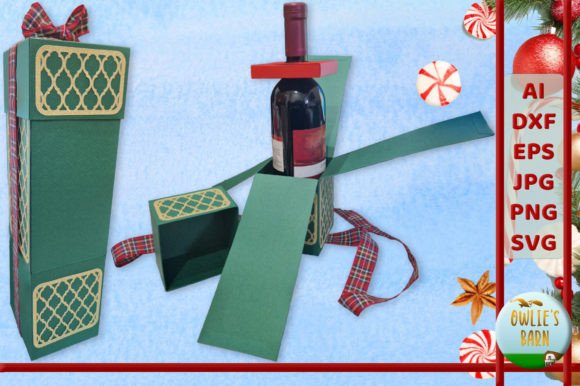
When I first pulled up the Exploding Wine Box file on my screen, my immediate reaction wasn't just about the cut lines; it was about the potential for texture and dimension in a finished gift. As someone who spends hours tweaking stitch densities and testing stabilizers, I look at digital assets differently than the average hobbyist. I see the end product before the machine even starts humming. This design, categorized under Gift Boxes, offers a unique challenge because it bridges the gap between paper crafting logic and textile application. While the source file is a 3D SVG intended for cutting, adapting this concept for embroidery or using it as a template for embroidered components requires a keen eye for how materials behave under tension.
The Visual Personality and First Impressions
The mood of the Exploding Wine Box is undeniably celebratory yet sophisticated. It carries a sense of surprise and luxury, which is exactly what you want when presenting a high-value item like a bottle of wine. The layout suggests movement; the "exploding" aspect implies that the contents are bursting forth, creating a dynamic visual that static boxes often lack. For an embroidery designer, this translates to a need for careful consideration of thread weights and stitch types if you plan to embroider elements of the box itself or the ribbon details.
If you were to translate this into a machine embroidery design for a tote bag or a heavy canvas apron, the visual personality demands boldness. Delicate running stitches might get lost against the structural nature of the box concept. Instead, I envision this working best with robust satin stitch borders to define the edges of the flaps and a dense fill stitch for any solid panels, ensuring the design holds its shape visually even when the fabric moves. The theme naturally leans towards holidays, anniversaries, or boutique retail packaging where the unboxing experience is part of the product value.
Real-World Application: The Boutique Wine Seller Scenario
Let's walk through a realistic scenario. Imagine you run a small shop selling curated local wines, and you want to elevate your holiday offerings. You decide to create a limited edition handmade product: a heavy-duty canvas tote that features an embroidered motif inspired by the Exploding Wine Box. In this context, the design isn't just a graphic; it's a branding tool.
When stitching this onto a tote bag, the fabric texture plays a huge role. Canvas has a weave that can distort fine details. If the original SVG has intricate corners or very thin ribbon threads, those areas might need simplification in your embroidery file. I would recommend testing the design on scrap fabric of the same weight first. Does the stitch density cause the fabric to pucker? If the box flaps are meant to look like they are opening, but the dense stitching pulls the canvas inward, the illusion breaks. For a project like this, a high-quality cut-away stabilizer is non-negotiable to maintain the structural integrity of the "box" appearance on the soft goods.
Alternatively, consider using the 3D SVG as a template to create a physical cardboard insert that sits inside a clear window on an embroidered sweatshirt or a decorative pillow cover. This mixed-media approach allows you to keep the crisp, sharp lines of the cut file while surrounding it with the warmth of sweatshirt embroidery. Customers love this kind of tactile interaction; it increases the perceived value of the finished product significantly.
Navigating Technical Challenges and Fabric Choices
While the Exploding Wine Box is versatile, it demands respect regarding where and how it is applied. There are specific situations where caution is advised. For instance, attempting to apply this complex geometry onto curved surfaces like caps or hats can be problematic. The flat planes of an exploding box design do not naturally conform to the curvature of a baseball cap without significant distortion. Unless you are highly experienced with 3D puff techniques and contour stitching, I would advise sticking to flat surfaces like tote bag designs, tea towels, or pillow covers.
Furthermore, pay close attention to thread colors when working on dark fabrics. If the design relies on subtle shading to show the depth of the box, those nuances will vanish on black or navy material unless you use high-contrast thread or a backing layer. Tiny lettering, often found on wine labels within such designs, is another danger zone. If the SVG includes text, verify that it is large enough to be stitched clearly. Small text often turns into an unreadable blob if the hoop size limits your resolution or if the stitch count is too low for the detail level.
For stretchy fabrics, such as those used in baby embroidery or fitted apparel, the rigid structure of a box design can feel uncomfortable against the skin if the stitching is too dense. In these cases, consider using the design as an applique design. By cutting the box shape from a stable fabric and stitching it down with a satin border, you reduce the amount of thread buildup while maintaining the crisp aesthetic of the Exploding Wine Box.
Elevating Brand Value and Customer Trust
From a business perspective, how you execute this design directly impacts customer trust and brand consistency. An Etsy seller or creative entrepreneur knows that the difference between a amateur-looking item and a professional small shop product often lies in the finishing details. If the corners of your embroidered box are frayed or the alignment is off, it signals a lack of care. Conversely, a perfectly executed custom apparel piece featuring this motif tells the buyer that you understand both design and construction.
This design asset has the power to enhance giftability. When a customer receives a package where the external presentation is as thoughtful as the internal product, it creates an emotional connection. Whether you are making holiday embroidery gifts for family or producing inventory for a boutique, the Exploding Wine Box serves as a focal point that draws the eye. It suggests that what is inside is special, worth waiting for, and carefully curated.
Practical Notes for the Professional Maker
Before committing to a production run, here are my top recommendations for working with this type of asset:
- Test on Scraps: Always stitch out the design on a scrap piece of your actual production fabric. Check for puckering and registration issues.
- Check Contrast: View your digitized version in black and white mockups to ensure the shapes read clearly without relying solely on color.
- Verify Licensing: Since the product description notes this is a digital product suitable for cutting, confirm the license terms before selling finished embroidered items. Ensure commercial use is permitted for your craft business.
- Stabilizer Selection: Match your stabilizer to the fabric weight. Heavy designs on light fabric require substantial support.
- Detail Inspection: Zoom in on the digital file. Are there tiny fragments or nodes that won't stitch well? Clean up the path before sending it to the machine.
In conclusion, the Exploding Wine Box is more than just a cut file; it is a conceptual springboard for innovative embroidery projects. Whether you are digitizing it yourself for a commercial embroidery run or using it as a visual guide for a mixed-media gift, its success lies in your preparation. By respecting the material limitations and focusing on clean execution, you can turn this versatile 3D SVG into a standout element of your design assets portfolio, delighting customers with a truly memorable personalized gift.